The Waiting Room Tax: How Interconnection Queues Reach the Retail Power Bill
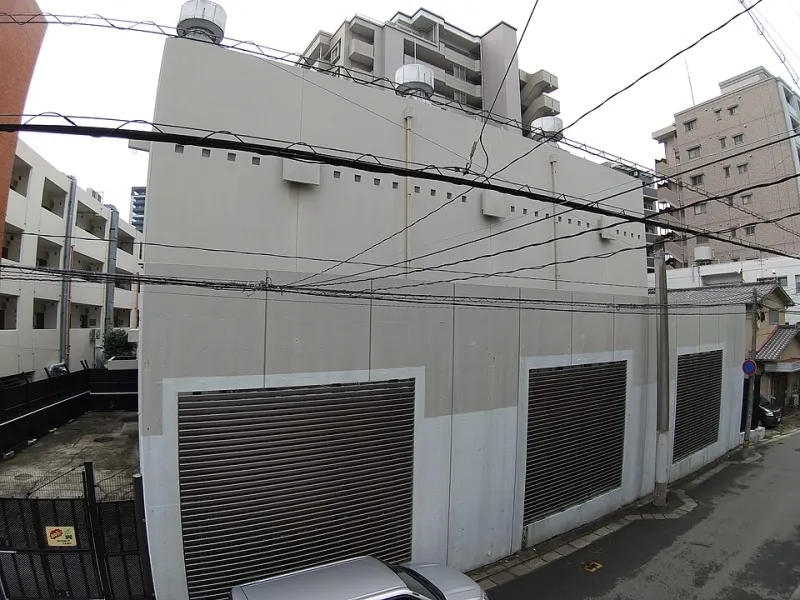
Photo: Hirho, CC BY-SA 4.0, via Wikimedia Commons
A Line Item That Never Appears on the Bill
Electricity customers are accustomed to seeing charges for generation, transmission, distribution, and a long tail of riders and adjustments. What they seldom see is the cost of waiting. Across U.S. wholesale markets, proposed power plants, storage projects, and large-load connections sit in interconnection queues for years. The projects themselves may never be built, but the process of sorting them—study by study, deposit by deposit—leaves fingerprints on the prices that ultimately reach households and businesses.
The interconnection queue is not a billing line item. It is a bottleneck, and bottlenecks have a way of becoming costs. For energy professionals comparing markets and for consumers comparing retail providers, understanding that pipeline helps explain why some power offers look cheaper on paper than the underlying system can sustain.
What the Queue Actually Does
In most organized markets, a developer seeking to connect a generator or storage facility must request interconnection service from the regional grid operator. The project enters a queue, where it is studied for reliability impacts, short-circuit contributions, and the network upgrades needed to accommodate its output. Projects are typically processed in clusters rather than one at a time, and each cluster can take years to move from application to agreement.
The queue is meant to be a technical gatekeeper. In practice, it has also become a speculative holding pen. Developers may submit multiple projects to preserve optionality, knowing that only a fraction will reach commercial operation. That behavior lengthens the line for serious projects and forces grid operators to spend money studying proposals that may never be built.
Deposits, Penalties, and the Price of Optionality
Reforms in recent years have tried to make queue positions more expensive to hold without consequence. FERC Order 2023, issued in 2023, directed transmission providers to adopt cluster study processes, impose stricter readiness requirements, and use withdrawal penalties that better reflect the cost of studying projects that later disappear. Individual regional markets have added their own variations.
For developers, these requirements are a cost of entry. A project that withdraws after studies have advanced may forfeit deposits or pay penalties tied to upgrade costs. Those costs are not automatically passed to retail customers, but they influence which projects proceed and which do not. A developer weighing a marginal project must now price in the risk that the queue itself will consume capital before the first kilowatt-hour is sold.
That changes the economics of supply. When fewer speculative projects advance, the queue may clear faster. When penalties are too weak, the line fills with placeholders. Either way, the composition of future generation—and therefore the future wholesale price stack—is being shaped long before any plant enters service.
Who Pays for Network Upgrades?
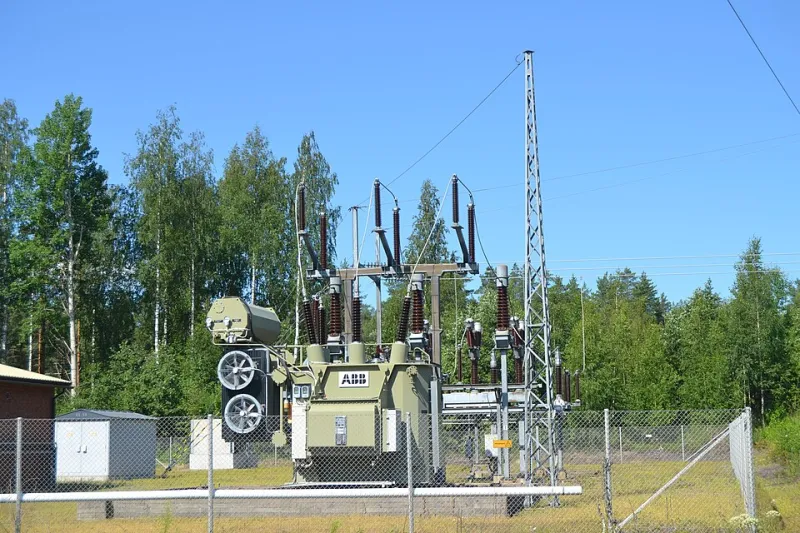
Interconnection is not only a matter of paperwork. A new generator may trigger the need for new relays, transformers, transmission lines, or substation equipment. The developer often funds these upgrades initially, but the cost allocation does not always end there. Depending on the market and the agreement, some network upgrade costs may be recovered through transmission rates or incorporated into the broader cost of service.
This is where the queue begins to touch the retail bill. Transmission investment enters the rate base, and rate base enters the charges that utilities collect from customers. The connection between a specific project and a specific household bill is indirect, but it is real. A queue that produces unnecessary studies or stranded upgrades can raise the cost of delivering power even if the proposed project never generates electricity.
Consumers comparing retail electricity offers rarely see this layer. A fixed-rate offer may look attractive against a variable alternative, but both are exposed to the same regional transmission and capacity cost trends. The queue is one reason those trends can move in ways that are not obvious from headline generation prices alone.
The Wholesale Price Signal
Interconnection backlogs also affect wholesale prices through timing. If new supply cannot connect when demand is growing, the market relies on older, often more expensive units to meet peak load. In capacity markets, delayed entry can tighten reserve margins and lift auction prices. In energy markets, a thinner supply cushion can increase volatility during heat waves, cold snaps, and outages.
These effects are not uniform. A market with a fast-moving queue and a large volume of storage proposals may see different outcomes than a region where transmission constraints already limit new entry. The common thread is that the queue determines when supply can respond to price signals. When the queue is slow, price signals arrive at the meter before the supply does.
Reform Is Not a Single Switch
Policymakers and grid operators have pursued several fixes. Cluster studies aim to reduce repeated restudies. Readiness deposits aim to separate serious projects from speculative ones. Connect-and-manage approaches, used in some form in Texas and under consideration elsewhere, allow projects to energize before all network upgrades are complete, subject to operating limits. Each approach trades one risk for another.
For energy professionals, the practical question is not whether queues will disappear but how their costs will be allocated. A faster queue may reduce waiting costs but require more upfront investment. A stricter queue may weed out speculative projects but discourage legitimate developers. The design choices made in 2026 will influence the supply mix that retail providers are pricing years from now.
What to Watch Before Comparing Offers
Consumers do not need to read interconnection agreements to shop for electricity, but they should recognize that retail offers sit on top of a regional system with long lead times. A provider’s rate may reflect current wholesale conditions, yet the grid’s ability to add new supply is determined by a queue that moves on a different clock. In markets with tight queues, fixed-price offers may carry more forward risk than their headline rate suggests.
For professionals, the queue is a leading indicator. The volume of active projects, the size of withdrawal penalties, and the pace of cluster studies all offer clues about future supply and future transmission costs. The line behind the bill is not visible at the meter, but it is part of the price. Understanding it is part of understanding what electricity actually costs.