The Backorder Premium: How Grid Hardware Scarcity Travels to Your Monthly Bill
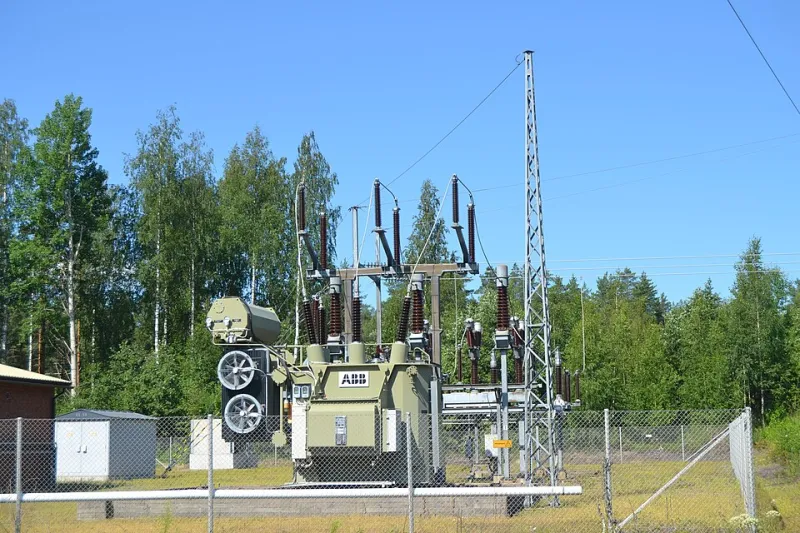
Photo: Antti Leppänen, CC BY 4.0, via Wikimedia Commons
A utility does not order a transformer the way a homeowner orders a refrigerator. The equipment is engineered, tested, shipped, and installed against a project schedule that can span Years. When those schedules slip, the cost does not disappear. It moves—into procurement premiums, emergency workarounds, deferred maintenance, and eventually into the rate-setting process. As of 2026, that migration is one of the more consequential, and less visible, forces shaping electricity bills in the United States.
From Purchase Order to Rate Case
The equipment crunch is not limited to one device. Distribution transformers, large power transformers, high-voltage breakers, switches, cable, and substation components have all faced constrained supply over the past several years. Industry surveys and utility filings have repeatedly pointed to lead times stretching from months into years for certain classes of equipment, with the largest and most customized units often facing the longest waits. The causes are familiar: manufacturing capacity, skilled labor, raw-material availability, and a global queue of grid-modernization projects.
For a utility, the immediate problem is operational. A delayed transformer can hold up a housing development, a data center interconnection, or a reliability project. The financial problem is more subtle. Utilities may pay a premium for faster delivery, lease mobile equipment, refurbish older units, or redesign a project around available hardware. Each choice carries a cost, and each cost must eventually be assigned somewhere in the utility's accounting and regulatory framework.
That framework matters because most utility costs are not passed through instantly. Capital spending enters the rate base and is recovered over time through depreciation and an allowed return. Some costs are expensed and recovered through base rates in a future rate case. Others may be tracked in riders or deferral accounts, subject to later review. The timing and mechanism determine whether a supply-chain problem shows up as a modest line item, a temporary surcharge, or a permanent increase embedded in base rates.
Three Channels to the Meter
The first channel is capital cost. A transformer that costs more than budgeted, or a project that requires redesign, raises the total capital outlay. If regulators accept the spending as prudent, the utility can recover it over the asset's life. The bill impact is gradual but durable: a higher rate base means higher depreciation and return requirements, year after year.
The second channel is reliability and operating cost. When equipment is scarce, utilities may run older assets longer, defer replacement, or rely on mobile substations. Those choices can raise maintenance spending and outage risk. They can also change purchased-power costs if a constrained local grid requires more expensive supply arrangements. These costs are less predictable than a purchase order, and they are often contested in rate cases because they reflect operating decisions rather than a single invoice.
The third channel is growth and interconnection. New load—whether a factory, a data center, or a housing subdivision—needs hardware. If the equipment is unavailable, projects wait. Interconnection queues can lengthen, and utilities may require deposits or network upgrade commitments that reflect the new cost of grid capacity. For consumers, the effect can appear as higher connection charges, delayed service, or upward pressure on broader system costs as utilities race to keep pace with demand.
Why Regulators Are Watching Closely
Public utility commissions are accustomed to reviewing large capital plans, but the current equipment environment tests familiar assumptions. A utility may argue that a premium payment was necessary to maintain reliability or meet a customer's service date. A consumer advocate may ask whether the utility shopped competitively, standardized its specifications, or considered refurbished equipment. Both questions are reasonable, and both will shape recovery outcomes.
Some utilities have sought pre-approval for supply-chain spending or for specific projects that depend on long-lead equipment. Others have used deferral mechanisms to separate unusual costs from ordinary base rates. Regulators, in turn, have increasingly asked for documentation of procurement processes and for evidence that alternatives were considered. The result is a rate case that looks less like a simple revenue requirement and more like a review of industrial policy, supply-chain management, and risk allocation.
For energy professionals, the practical signal is that procurement strategy is now a regulatory issue. Standardizing equipment designs, sharing spare inventories, entering frame agreements, and documenting competitive processes can reduce both operational risk and prudency risk. For consumers, the signal is that a rate case may include a supply-chain story that is easy to overlook in a long filing.
What to Watch in 2026
Several developments deserve attention in the months ahead. First, watch for supply-chain riders and deferral requests in utility filings. These mechanisms can move costs to customers faster than a traditional base-rate case, and they often include true-up provisions that are difficult to compare across utilities. Second, watch capital plans for evidence of project delays or cost escalation. A utility that trims a reliability project because equipment is unavailable may be managing cash flow, but it may also be accumulating future risk.
Third, watch interconnection procedures. If queues are being reformed to account for equipment constraints, the rules may affect who pays for network upgrades and how quickly new load can connect. Fourth, watch depreciation and asset-life assumptions. Extended use of older equipment can change both reliability and long-term cost recovery.
Finally, watch the language of prudence. A commission's decision on whether a utility acted reasonably in a constrained market can set a precedent for how similar costs are treated in future cases. That precedent may matter more than any single transformer invoice.
The Consumer's Practical Read
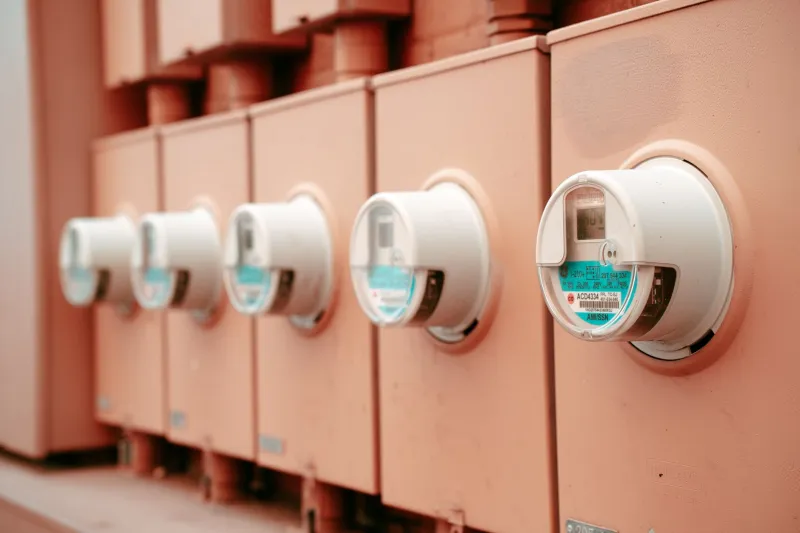
Most households will not see a line item labeled “transformer premium.” The cost will be folded into base rates, riders, or capital recovery. That makes it harder to evaluate, but not impossible. Consumers can review rate case notices, attend public hearings, and compare how their state commission treats utility requests for supply-chain cost recovery. They can also ask whether reliability spending is being matched with measurable performance targets.
For commercial and industrial customers, the stakes are more direct. Long lead times can delay expansion, raise interconnection costs, and complicate backup-power planning. Energy managers should ask utilities about equipment availability before committing to new load, and they should review tariff provisions that allocate network upgrade costs.
The backorder premium is not a single fee. It is a set of timing and risk costs that accumulate across the grid. In 2026, the most useful question for regulators, utilities, and customers alike is not simply who pays for the equipment. It is who bears the risk when the equipment does not arrive on schedule—and how that risk is reflected in the bill that follows.