The Thermostat Will Be Watching: Utilities, Smart Home Bundles, and the Quiet Fight Over Who Controls Your Load
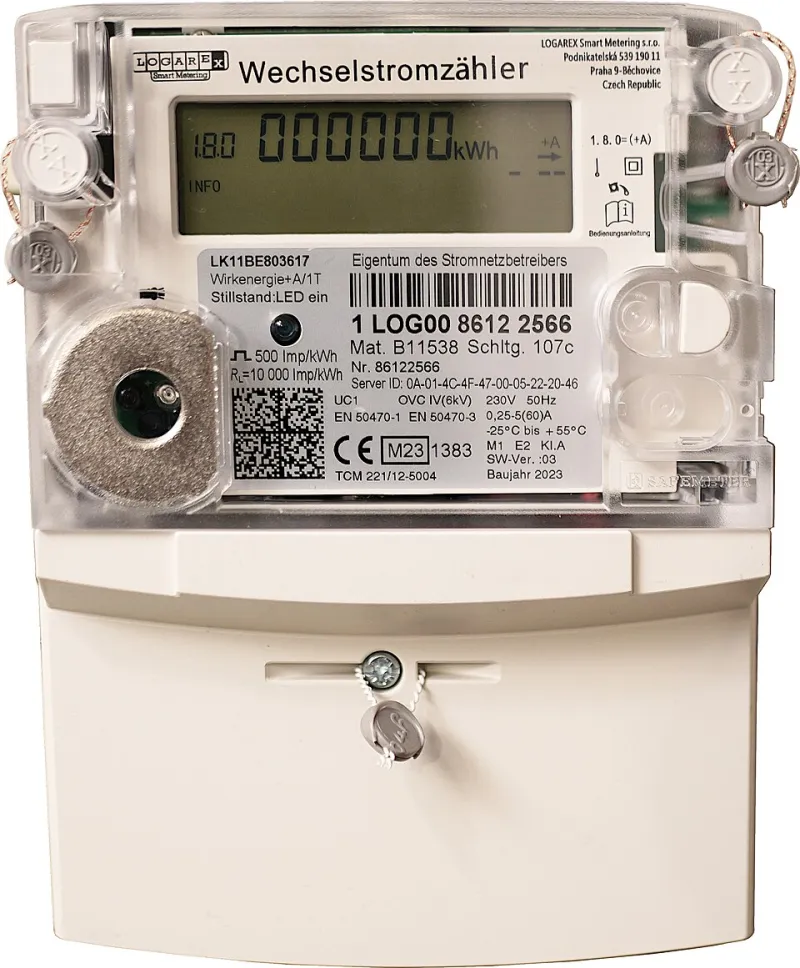
Photo: Jiří Sedláček, CC BY-SA 4.0, via Wikimedia Commons
For most of the past century, the electric utility had one product and one relationship: sell electrons, bill monthly, maintain the wires. That model is now being actively dismantled — not by regulators or startups, but by the utilities and retail suppliers themselves, who increasingly want to sell you the thermostat, the charger, the battery, and the software that orchestrates them all.
The strategic shift is unmistakable. Major investor-owned utilities have launched smart home divisions. Retail providers in Texas and the Northeast bundle Nest and Ecobee devices into rate plans. Demand-response programs that once lived in pilot purgatory are now marketed as flagship offerings: enroll your air conditioner, your water heater, your EV, and earn bill credits for letting the provider adjust them during peak hours.
The industry's framing is persuasive. Why shouldn't the company that knows your consumption better than anyone help you manage it?
The Genuine Case For the Bundle
Start with what the providers get right. Residential demand response is one of the few tools that credibly reduces peak load, and peak load — not average consumption — drives the most expensive infrastructure on the grid. A fleet of thousands of cycled air conditioners can substitute for a peaker plant that runs forty hours a year at a fraction of the capital cost. In ERCOT's constrained summers, that substitution is not theoretical.
For consumers, the savings can be real, particularly in EV-heavy households. Managed charging programs that shift overnight sessions into utility-preferred windows have delivered meaningful reductions in charging costs in pilots from California to Massachusetts. Time-of-use optimization is genuinely difficult for a household to do manually; automation earns its keep.
There is also a defensible environmental argument: dispatching stored or deferred load against renewable output reduces curtailment and, at the margin, displaces gas-fired generation.
The Case Against: Ecosystems, Not Electrons
Skeptical consumers should nonetheless notice what the bundle is optimizing for. A managed home is a sticky home. A customer who receives a free thermostat, a demand-response credit, and an integrated app has three new reasons not to switch retail providers — which, in deregulated states, quietly undercuts the competitive dynamic that deregulation was built to protect.
The economics also deserve scrutiny. Demand-response credits are typically modest — often $25 to $100 a year — while the provider's ability to dispatch your load carries value in wholesale markets that is not fully passed back to the enrollee. When a utility both owns the distribution wires and sells the devices attached to them, regulators must ask whether the wires' ratepayers are subsidizing the device business. It is a version of the classic cost-allocation problem, wearing a smart speaker's clothing.
And there is a data question nobody has fully answered. A managed home streams granular, real-time consumption data to the provider. What is that data worth? Who may buy it? Most state frameworks treat this as an afterthought.
Where Regulators Are Drawing Lines
The pushback is no longer hypothetical. In California, the Public Utilities Commission has imposed escalating scrutiny on utility-owned behind-the-meter programs, requiring showings that utility investment does not crowd out a competitive market for the same devices. Texas has wrestled with the boundary between utility offerings and the competitive marketplace ERCOT was designed to foster. In the Northeast, several proceedings have turned on a single question: should a utility earn a regulated return on equipment that private companies will sell at unregulated prices?
The pattern across these dockets suggests a rough emerging consensus — utilities may facilitate, aggregate, and compensate, but ownership of the customer-facing device layer belongs, where markets exist, to competitive suppliers. How consistently that principle gets enforced is another matter.
What Consumers Should Weigh Before Enrolling
For households, the calculus is tractable if approached deliberately. Ask three questions before enrolling in any managed-home program. First, what is the device actually worth, and would a retail-purchased alternative with the same capabilities preserve your flexibility? Second, what happens during an event — how often, how deep, and can you opt out per event without penalty? Third, what does the program do to your ability to switch providers later, particularly regarding proprietary hardware?
None of this amounts to a case against the managed home. Done well, it is a legitimate evolution of the utility-customer relationship, and the peak-shaving benefits accrue to everyone on the system, enrolled or not. Done poorly, it is a land grab for the last controllable asset in the house, financed by ratepayers and sealed with a free thermostat.
The difference between the two outcomes will be decided not in marketing decks but in regulatory dockets — and by customers who read the enrollment terms as carefully as the savings promises.