The Flat Rate Is Dying: How Hourly Electricity Pricing Will Rewire Your Habits
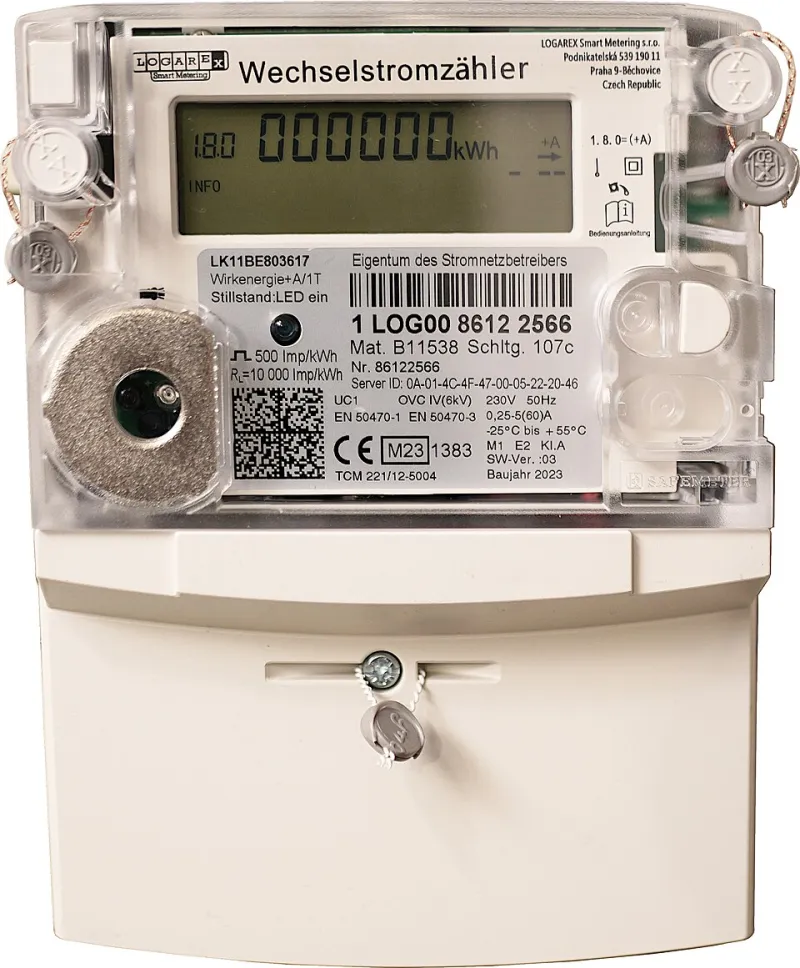
Photo: RobbieIanMorrison, CC BY 4.0, via Wikimedia Commons
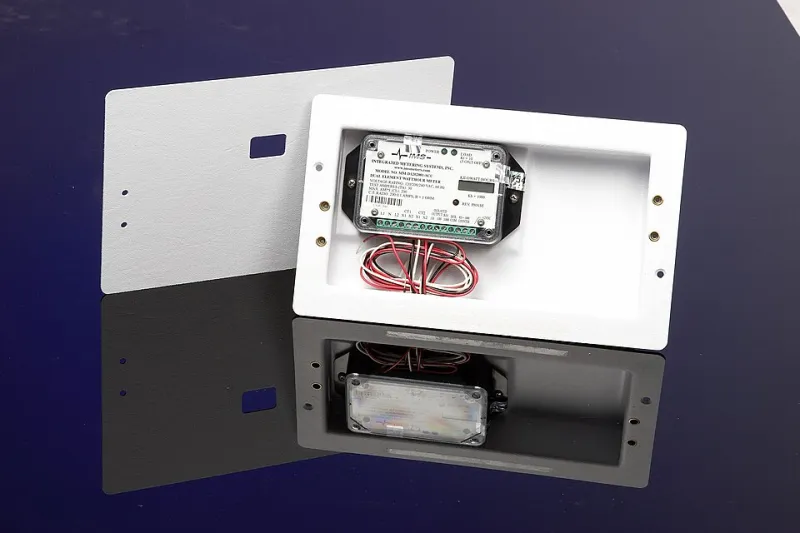
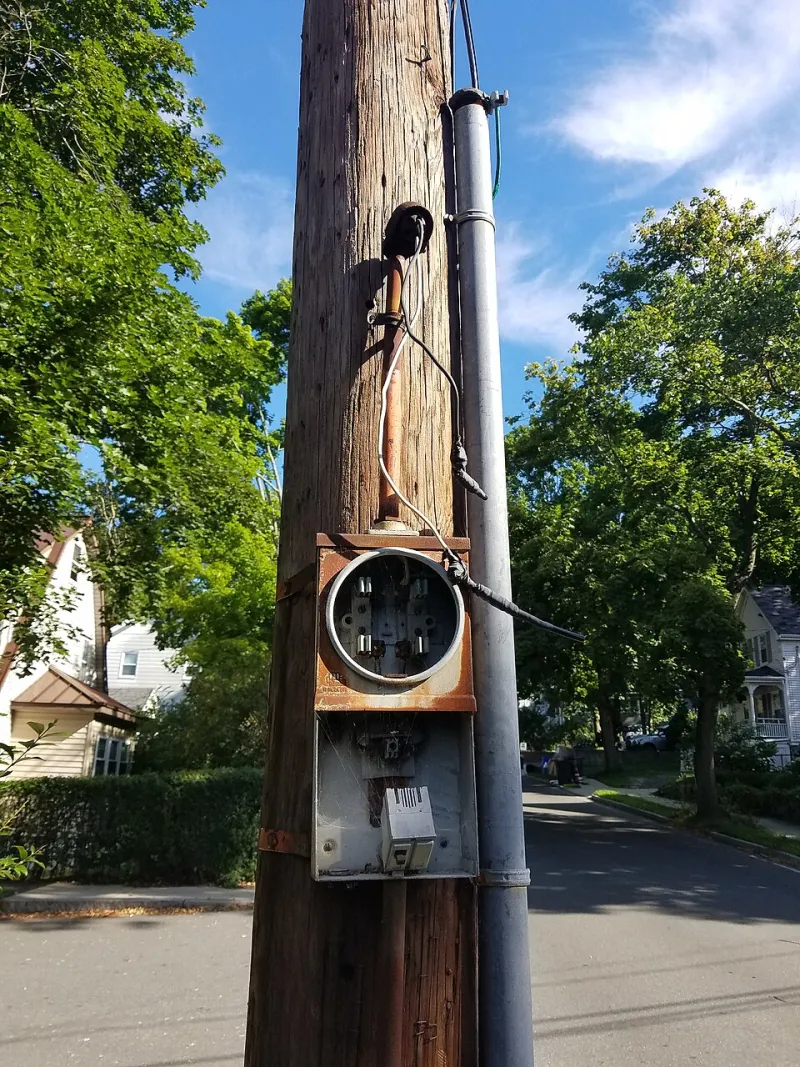
For most of the twentieth century, electricity pricing was a blunt instrument: one rate, applied around the clock, regardless of what the grid was doing. That model is now structurally obsolete. The cost of producing and delivering a kilowatt-hour at 3 a.m. can be a fraction of what it costs at 6 p.m. on a July afternoon, yet the flat rate charges customers the same for both. Smart meters — now installed in well over 100 million US homes — have erased the technical excuse for pretending otherwise.
The result is a slow but decisive migration toward time-of-use (TOU) and real-time pricing across the country. California's major investor-owned utilities have already made TOU the default for residential customers. Utilities in the Midwest, Southwest, and Northeast are following with opt-in and pilot programs. For households and small businesses, the transition is less about a new billing line item and more about a new behavioral contract with the grid.
Why the Grid Wants You to Move Your Laundry
The economics are straightforward. Peak demand determines how much generation and transmission capacity the system must build and maintain. Shave the peak, and you defer billions in infrastructure spending — costs that ultimately flow back through rates. Pricing is the lever: charge more when the system is stressed, less when it's idle, and consumption reshapes itself.
The gap can be dramatic. In wholesale markets like ERCOT in Texas or PJM in the Mid-Atlantic, spot prices routinely swing from a few dollars per megawatt-hour overnight to hundreds or even thousands during scarcity events. Retail TOU products translate some of that spread to consumers, typically with a peak window from late afternoon through early evening and off-peak rates overnight.
Five Moves That Decide Whether You Win or Lose
1. Shift flexible loads to overnight hours. Dishwashers, laundry machines, pool pumps, and electric water heaters are the low-hanging fruit. Households that consistently run these loads after 9 p.m. under a typical TOU plan can trim 10–20% from the usage-based portion of their bill. Smart plugs and delayed-start settings make this nearly effortless once configured.
2. Treat EV charging as the single biggest lever. An electric vehicle can double a household's consumption. Charging a 60 kWh battery during peak hours versus off-peak can mean a difference of several dollars per session — hundreds of dollars annually. Utilities know this; many offer dedicated EV rates with steep overnight discounts, some as low as a fraction of the peak price. EV owners are arguably the biggest structural winners in the TOU era.
3. Pre-cool the house, don't fight the peak. Air conditioning is the largest peak driver in Sun Belt states. The winning strategy isn't suffering through a 5 p.m. heat wave with the thermostat at 82 — it's cooling the home deeply during cheaper midday or morning hours and letting thermal mass carry you through the peak. Paired with a smart thermostat, pre-cooling can cut cooling costs meaningfully without sacrificing comfort.
4. Beware the demand charge trap. Small businesses on commercial TOU tariffs often face not just time-varying energy rates but demand charges based on their single highest 15-minute interval. A poorly timed simultaneous startup of HVAC, refrigeration, and machinery can set a costly peak that's billed all month. Load staggering and, increasingly, battery storage are the standard responses.
5. Watch out for the new peak days. Some programs — Texas's grid response initiatives and similar mechanisms in other markets — compensate customers for reducing consumption during a handful of extreme events per year, while punishing those who don't. A household on such a plan that runs everything normally during a summer emergency event can erase months of savings in one afternoon.
Who Gets Burned
The uncomfortable truth about hourly pricing is that it redistributes costs, and not always progressively. Households with someone home all day — retirees, remote workers, families with young children — have less ability to shift consumption out of peak windows. Renters often can't control thermostat programming, appliance timing, or even which rate plan they're enrolled in when a landlord selects it. Advocacy groups in California and elsewhere have raised equity concerns as default TOU enrollment expands.
There's also a behavioral failure mode: enrolling in a TOU plan and changing nothing. Under flat rates, indifference costs little. Under hourly pricing, the peak-hour rate can run two to three times the off-peak figure, and an unchanged routine simply means paying more.
The Takeaway for Market Watchers
The flat rate's decline is a market-structure story as much as a consumer story. Competitive retail suppliers in deregulated states are already marketing TOU and free-nights products aggressively, while regulated utilities use default TOU as a grid-planning tool. Either way, the direction of travel is clear: the price signal is arriving at the household level, and the customers who understand it first will be the ones the pricing works for.