Shopping for Power, Choosing Blind: The Hidden Mechanics Behind America's Electricity Switching Boom
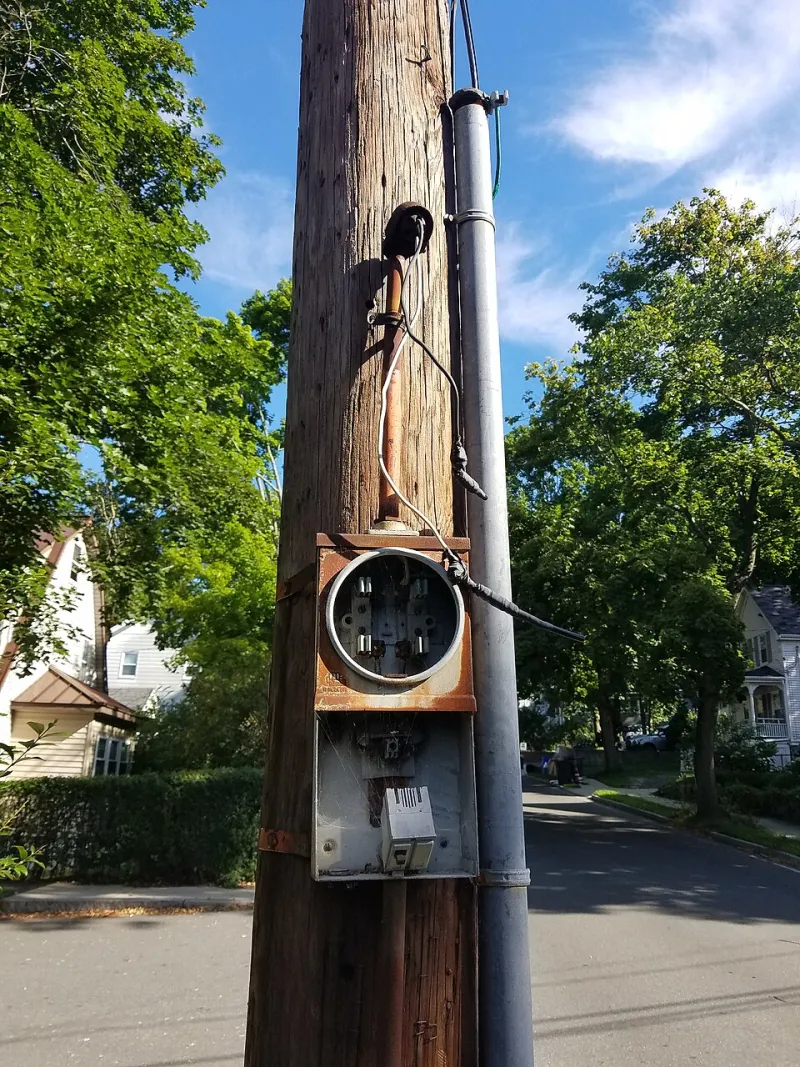
Photo: Wizmut, CC0, via Wikimedia Commons
In Texas, more than a third of residential customers have switched retail electricity providers at least once. In Ohio, Pennsylvania, and Illinois, the switching numbers run into the millions annually. On paper, this is deregulation working as intended: customers voting with their meters, suppliers competing on price, and a marketplace humming along.
The reality is messier. The act of switching — the single consumer behavior that deregulated markets were designed to encourage — remains one of the most confusing purchases an American household makes. Understanding why requires looking past the rates on the front page of a comparison site and into the machinery underneath.
A Purchase Modeled on Airfare, Priced Like a Puzzle
The dominant shopping metaphor in retail electricity is the travel aggregator. Enter a ZIP code, see a grid of plans, sort by price, click. The format is familiar and fast, and that familiarity is precisely the problem.
A flight search returns a single number: the fare. An electricity plan returns a rate that may hold for three months before resetting, a delivery charge that varies by utility territory, an early termination fee that can exceed $200, and — in a growing number of offers — bill credits that only apply above a monthly usage threshold. Sorting by the headline rate frequently surfaces the plan that is cheapest for a hypothetical customer who does not exist and most expensive for the one who does.
Behavioral economists have a name for what happens next: choice overload. Faced with dozens of structurally dissimilar plans, most shoppers satisfice. They pick from the first screen of results, favoring round numbers and short terms. Suppliers understand this, which is why the most aggressively marketed plans are rarely the ones that serve a household best over a full year.
The Teaser Rate as Business Model
Variable-rate introductory offers deserve particular scrutiny. The pattern is well documented in state regulator complaints: a customer signs on at an attractive per-kilowatt-hour price, the promotional window closes, and the rate floats upward — sometimes doubling — until the customer notices and switches again.
This creates what analysts have called a switching treadmill. A supplier's profitability depends not on retaining customers at fair prices but on cycling them through: acquire with a teaser, monetize with inertia, release when the complaint arrives. The customer who switches every twelve months feels savvy. The customer who forgets subsidizes the entire model.
Comparison platforms occupy an uneasy position in this cycle. Many operate on commission — suppliers pay for sign-ups, and some pay more for certain products. That does not automatically corrupt the listings, but it explains why a shopper in a major Texas metro may see a handful of available plans on one site and dozens on the state's independent Power to Choose marketplace. Inventory is a business decision, and the shopper rarely knows what is missing.
What Transparent Shopping Would Actually Look Like
A genuinely consumer-first switching experience is not a fantasy; several of its components already exist in fragments.
Personalized math, not generic rates. The state of Texas requires the standardized Electricity Facts Label for every plan — a document that discloses average prices at three usage levels, termination fees, and the presence of bill credits. A transparent marketplace would surface those three usage scenarios prominently, letting a household whose summer usage runs 1,400 kWh see the plan's true cost, not its 1,000 kWh marketing figure.
Disclosed platform incentives. Travel sites eventually faced this reckoning with resort fees and sponsored listings. Electricity marketplaces should label paid placement and explain in plain language how their rankings work. A few states have moved in this direction; most have not.
Renewal reminders with teeth. The single highest-leverage reform may be the simplest: mandatory notice before a promotional rate expires, with the customer's actual projected post-expiration bill rather than a vague warning. Some retail suppliers send these notices because regulators require it. Few make them impossible to miss.
Portability of history. A shopper's meter data, held by the utility, could instantly populate personalized comparisons across every plan in a market. Privacy safeguards aside, this is the feature that would collapse the search cost that keeps millions of customers on poor-fitting plans.
The Shopper's Practical Playbook
Until platforms and regulators converge on real transparency, households can protect themselves with a short checklist. Pull your last twelve months of usage before shopping, and evaluate plans at your highest-usage month, not your average. Read the Electricity Facts Label or its state equivalent every time — the label, not the advertisement, is the contract's honest preview. Treat bill credits as conditional discounts and model them against your actual consumption. And calendar the end date of any fixed term a month in advance, because the renewal rate is where switching economics are won or lost.
Deregulation promised that competition would discipline prices. Competition only works when the shopping process reveals what customers are actually buying. The switching boom proves Americans are willing to shop. The market's next test is whether it is willing to tell them the truth about what they're buying.